


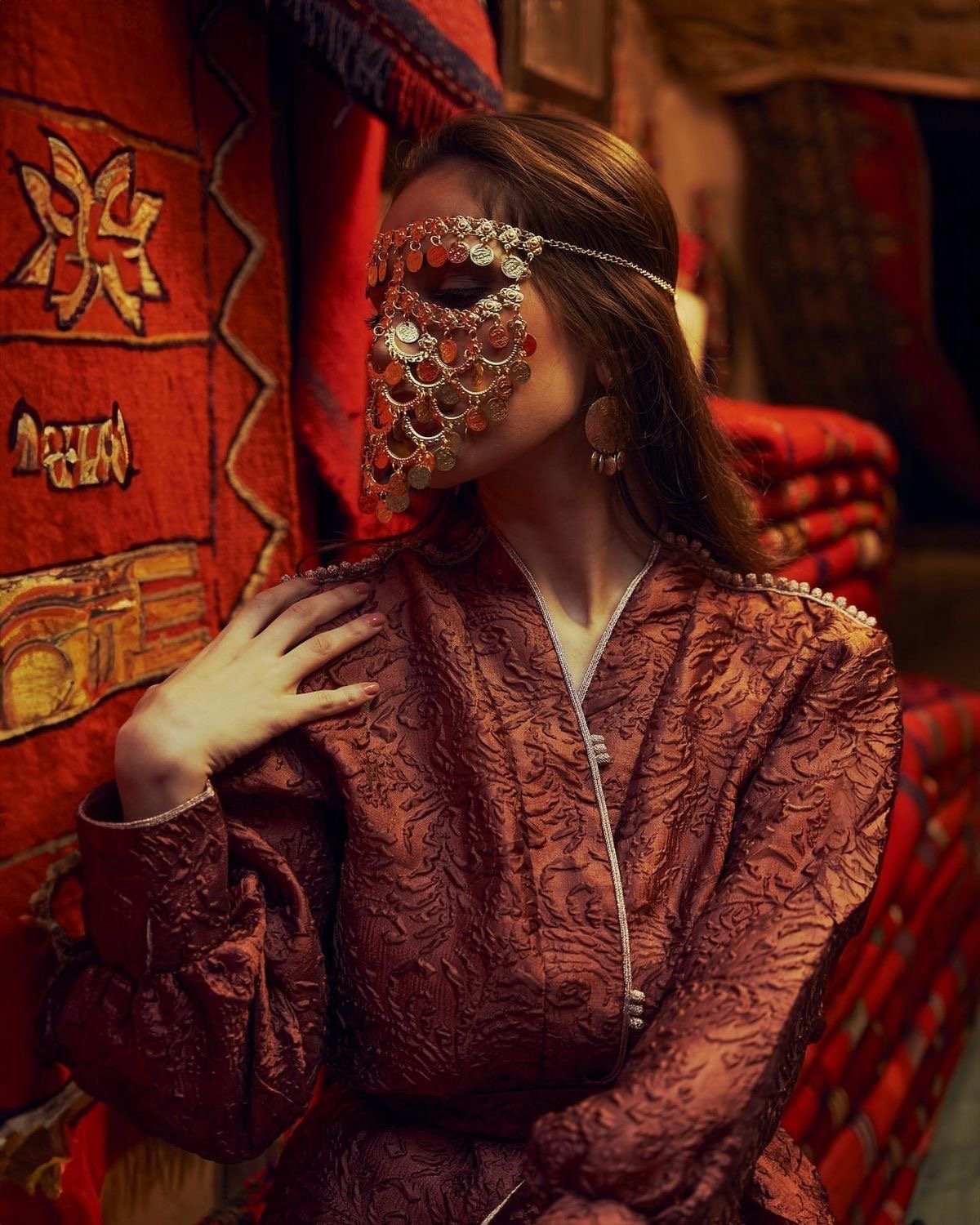
How We Build Visual Worlds Through Storytelling
In the global landscape of luxury events, aesthetic identity has become a defining factor.
But aesthetics without meaning are decorative, not memorable.
At Safiora, our work is guided by a specific creative philosophy:
design that communicates, environments that speak, and storytelling that stays.
This article reveals the deeper principles behind that approach, it’s principles that shape every atmosphere we create.
We Treat Design as Visual Language
Every visual choice, a texture, a line, a color, a silhouette acts as a form of communication.
Our work begins with understanding what needs to be expressed, not what needs to be shown.
This distinction creates clarity and intention before the first sketch is even drawn.
Restraint Is a Creative Discipline
In a world saturated with visual abundance, refinement is an act of mastery.
We approach design the way a sculptor approaches stone removing excess to reveal essence.
This is why our environments feel:
-
Modern but not sterile
-
Warm but not overwhelming
-
Atmospheric but not theatrical
Elegance lives in restraint, not in accumulation.
Storytelling Shapes Every Spatial Decision
Our environments unfold like editorial narratives:
-
An introduction
-
A rising emotion
-
A visual climax
-
A soft resolution
We consider how guests will feel in each moment, how they will move, what they will notice, and what they will carry with them emotionally.
This emotional intelligence is what turns design into experience.
Moroccan Heritage as a Lens, Not a Limitation
Moroccan influence is present in many of our worlds not as a stereotype, but as a design philosophy:
-
Artisanal geometry
-
Sculptural forms
-
Mineral palettes
-
Textural depth
-
Natural patinas
But we reinterpret these elements with international sensibility, giving them a modern, editorial expression.
This is what allows our work to feel timeless yet contemporary.
Atmosphere as the Final Layer
Atmosphere is the invisible architecture of an event.
It is created through:
-
Light temperature
-
Sound texture
-
Air movement
-
Rhythm
-
Spatial silence
Clients often describe our events as “alive” because atmosphere allows the environment to breathe softly, naturally, intentionally.
Conclusion
Our aesthetic vision is not defined by style, but by principle:
clarity, emotion, restraint, and narrative.
This philosophy allows us to create environments that are not only beautiful, but meaningful, environments that become part of the story, not just the backdrop.